1 Enoch in the Ethiopian Canon
Every complete copy of the Book of Enoch in the world is in Ge'ez, the ancient liturgical language of Ethiopia. The book you are reading on this site survived because one church never stopped treating it as scripture.
The only complete witness
1 Enoch was almost certainly composed in Aramaic. We know this because fragments of the Aramaic turned up at Qumran among the Dead Sea Scrolls. But those fragments are just that - fragments. A substantial portion also survives in Greek, and again only in pieces.
The complete text of 1 Enoch - all 108 chapters, start to finish - exists in exactly one language: Ge'ez (Classical Ethiopic). Every modern English translation, including the R.H. Charles translation presented on this site, is made from Ethiopic manuscripts. Without them, Enoch would be a book we knew only from quotations and scraps.
Scripture, not apocrypha
The Ethiopian Orthodox Tewahedo Church holds the broadest biblical canon in Christianity - traditionally numbered at 81 books. Within it, Henok (1 Enoch) and Kufale (Jubilees) are not curiosities or appendices. They are canonical scripture, read and revered, as they have been for well over a millennium.
This is the crucial difference in framing. In most of the Christian world Enoch is called apocryphal, a book that did not make the cut. In Ethiopia it never left. It is not a lost book there. It is simply part of the Bible.
The wider canon also contains works found almost nowhere else, including the three books of Meqabyan - Ethiopian Maccabees, which despite the name are entirely different works from the Greek books of Maccabees - along with Josippon, 4 Baruch, and church-order texts such as the Sinodos and the Ethiopic Didascalia.
How it survived
The Ge'ez version was made somewhere around the fourth to sixth century, translated from Greek, which had in turn been translated from the Aramaic. From then on it was copied, bound, and read in Ethiopian monasteries continuously, through centuries in which the book was effectively unknown to European scholarship.
Western readers had little more than the quotation in the Epistle of Jude and a handful of patristic references. Enoch was, to them, a book that had been lost.
The return to Europe
In 1773 the Scottish traveller James Bruce returned from Ethiopia carrying Ge'ez manuscripts of Enoch. It was the first time the complete text had been available in Europe in something like a thousand years.
Nearly fifty years passed before anyone published it in English. In 1821, Richard Laurence, working from a Bruce manuscript held at the Bodleian, produced the first English translation. Later scholars - George Schodde in 1882, and above all R.H. Charles in 1912 and 1917 - built on that foundation with fuller manuscript evidence. Charles' translation is the one you read here.
So the chain runs: an Aramaic book, translated into Greek, translated into Ge'ez, preserved by Ethiopian monks for over a thousand years, carried back to Britain by a traveller, and finally rendered into the English on this page.
The two traditions that carried it
A note on these images: none of them is a manuscript of Enoch itself. They show the two book-cultures that preserved it - the Ge'ez manuscript tradition of Ethiopia, and the Qumran library where the Aramaic fragments were found.
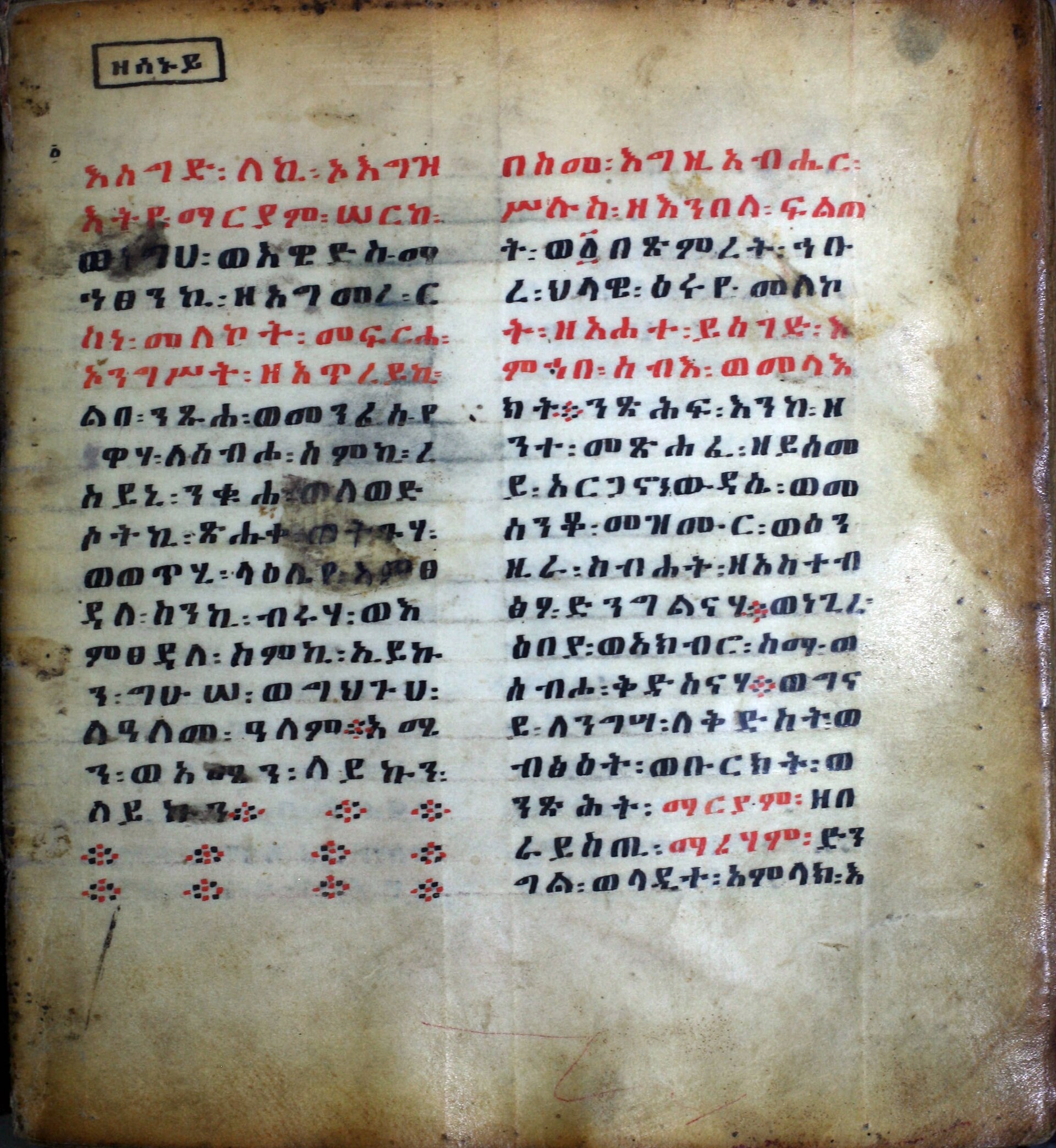
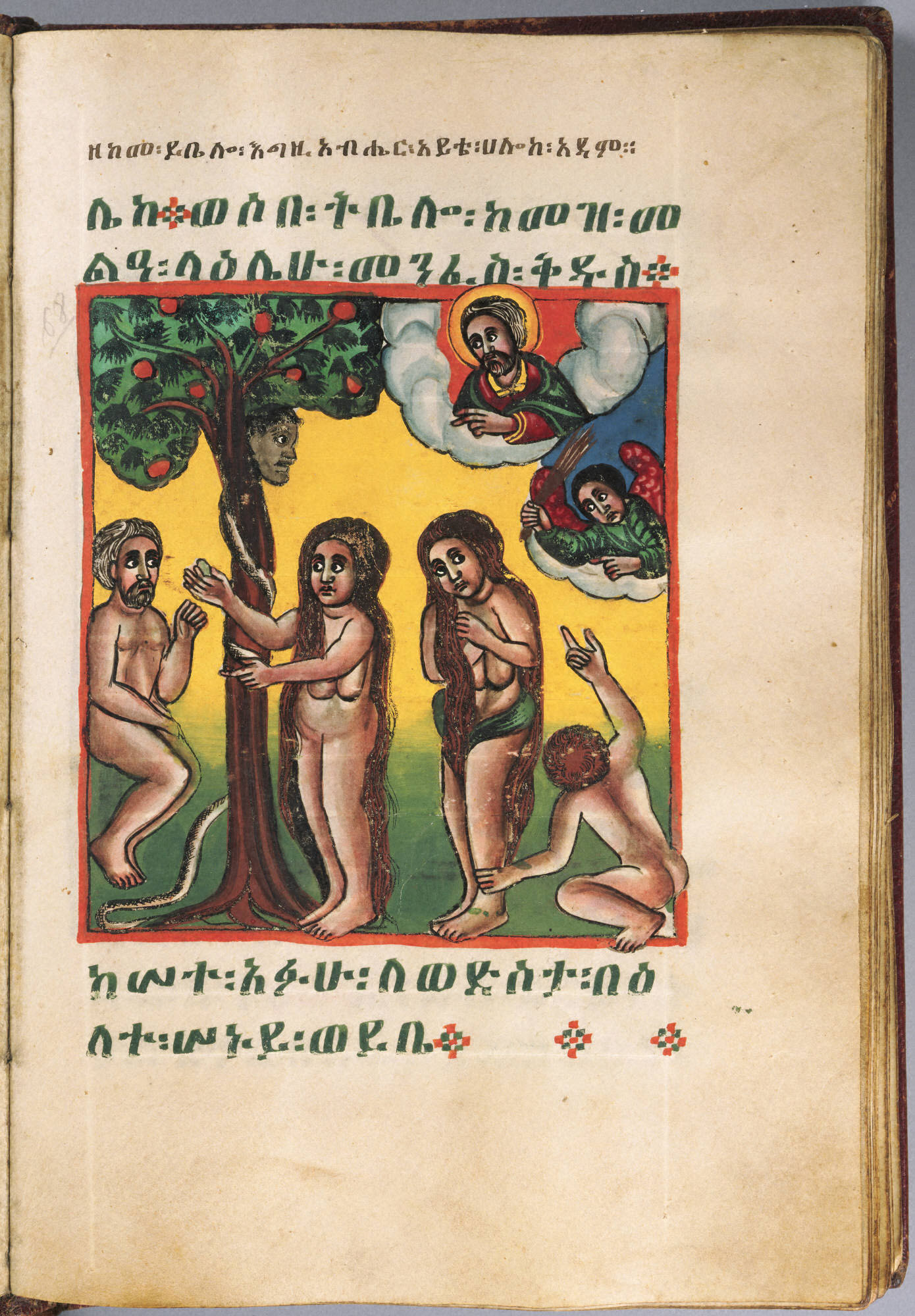
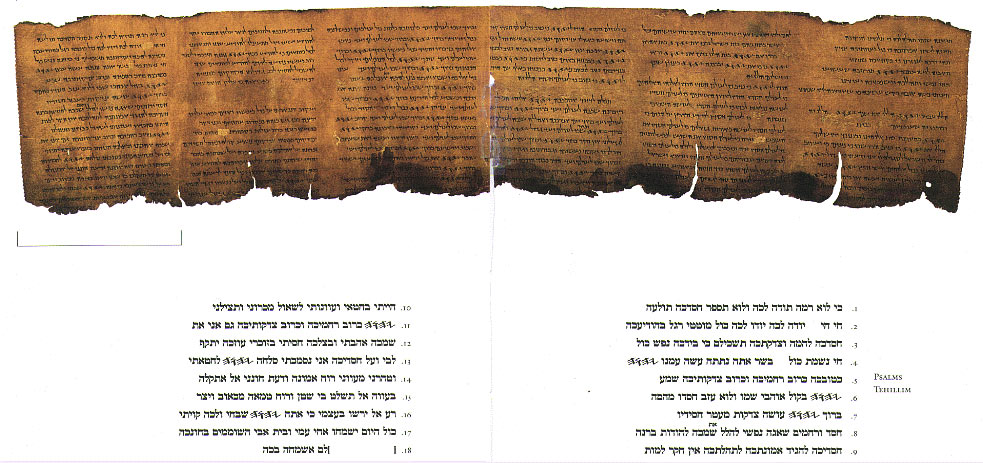
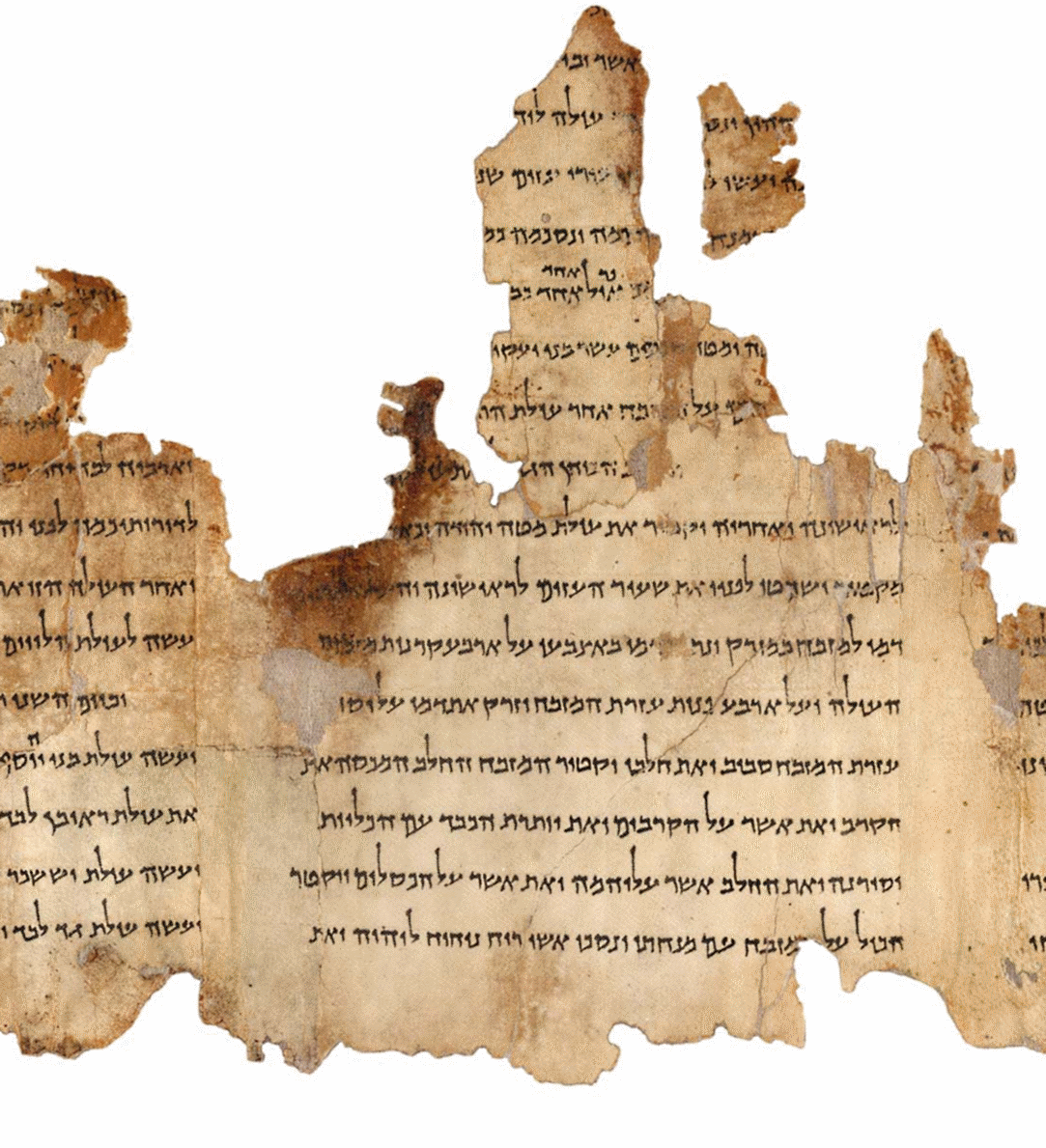
All four images are in the public domain, via Wikimedia Commons.
Read it
All 108 chapters of the book Ethiopia kept.