The Books of Enoch
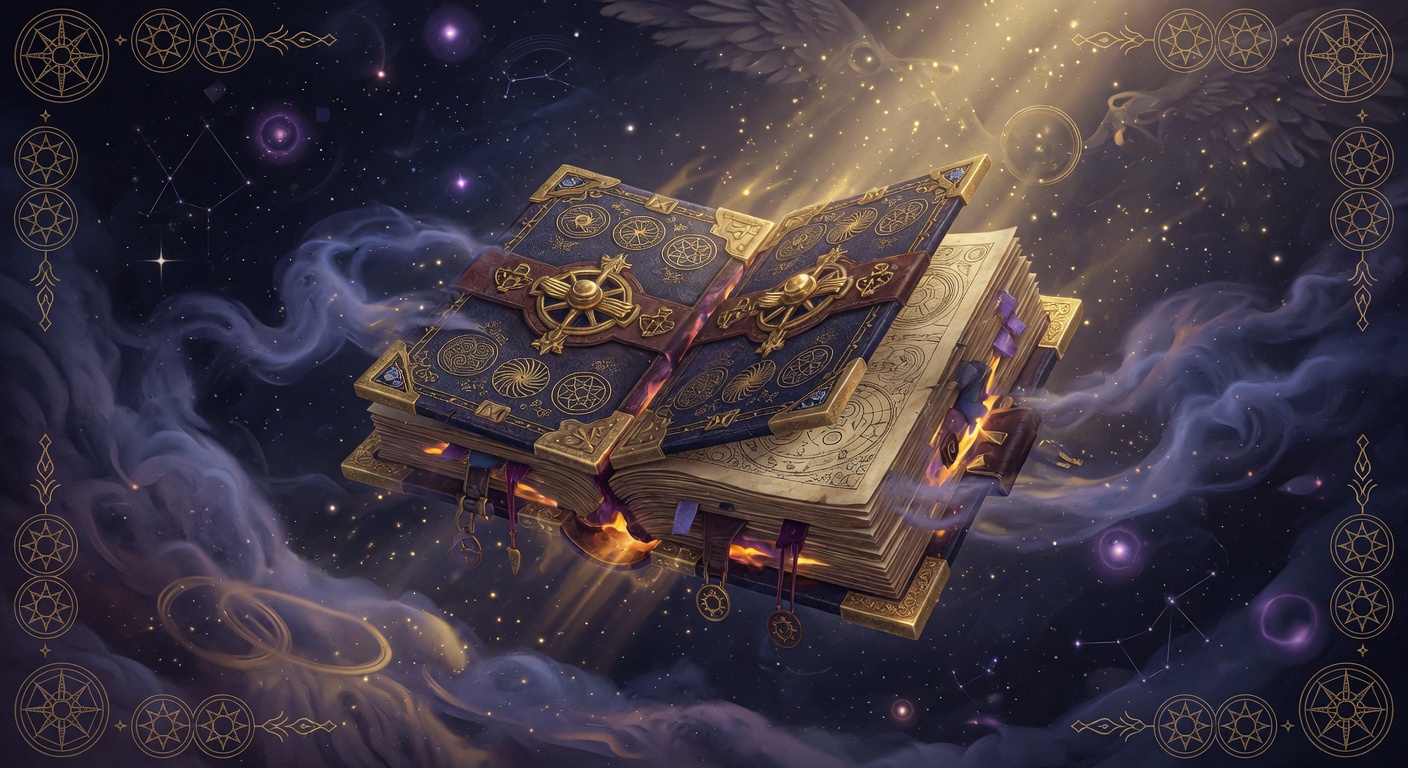
The Books of Enoch are the physical writings composed by the patriarch during and after his heavenly journeys - records of astronomical knowledge, prophetic visions, and moral instruction entrusted to Methuselah. Multiple passages across 1 Enoch and the Book of Jubilees reference the physical writings composed by Enoch himself during and after his heavenly journeys. These books, described as records of astronomical knowledge, prophetic visions, and moral instruction, are entrusted to Methuselah for preservation and transmission to future generations. In 1 Enoch 82, the patriarch explicitly states he has written everything down for his son, ensuring that the wisdom of heaven survives the coming judgment. Jubilees 4:17-19 describes Enoch as the first to learn writing and knowledge, recording the signs of heaven and the courses of the months. These books function within the tradition as sacred artifacts that bridge the antediluvian world and later ages, legitimizing the entire Enochic corpus as inherited revelation rather than human invention.
Details
- Category
- Prophetic Record
- Associated With
- Enoch, Methuselah
- Locations
- Heaven
Key Chapters
Key Passages
Enoch writes for Methuselah
The Book of Enoch 82:1-4
And now, my son Methuselah, all these things I am recounting to thee and writing down for thee! and I have revealed to t...
 1nd now, my son Methuselah, all these things I am recounting to thee and writing down for thee! and I have revealed to thee everything, and given thee books concerning all these: so preserve, my son Methuselah, the books from thy father's hand, and (see) that thou deliver them to the generations of the world.
Enoch the first scribe
The Book of Jubilees 4:17-19
And he was the first among men that are born on earth who learnt writing and knowledge and wisdom and who wrote down the...
17nd he was the first among men that are born on earth who learnt writing and knowledge and wisdom and who wrote down the signs of heaven according to the order of their months in a book, that men might know the seasons of the years according to the order of their separate months.
Enoch in Jasher
The Book of Jasher 3:1-12
And Enoch lived sixty-five years and he begat Methuselah; and Enoch walked with God after having begot Methuselah, and h...
1nd Enoch lived sixty-five years and he begat Methuselah; and Enoch walked with God after having begot Methuselah, and he served the Lord, and despised the evil ways of men.
Did You Know?
Enoch is credited as the inventor of writing itself in Jubilees 4:17.
He entrusts his writings to Methuselah specifically so they survive the coming Flood.
Jubilees 4:17 credits Enoch as the first human to learn the art of writing, making him civilization's original scribe.
The writings survived the flood through Methuselah's careful stewardship, bridging the antediluvian and post-flood worlds.
These books contain astronomical data so precise that the Qumran community used them to maintain their solar calendar.