The Son of Man / Elect One
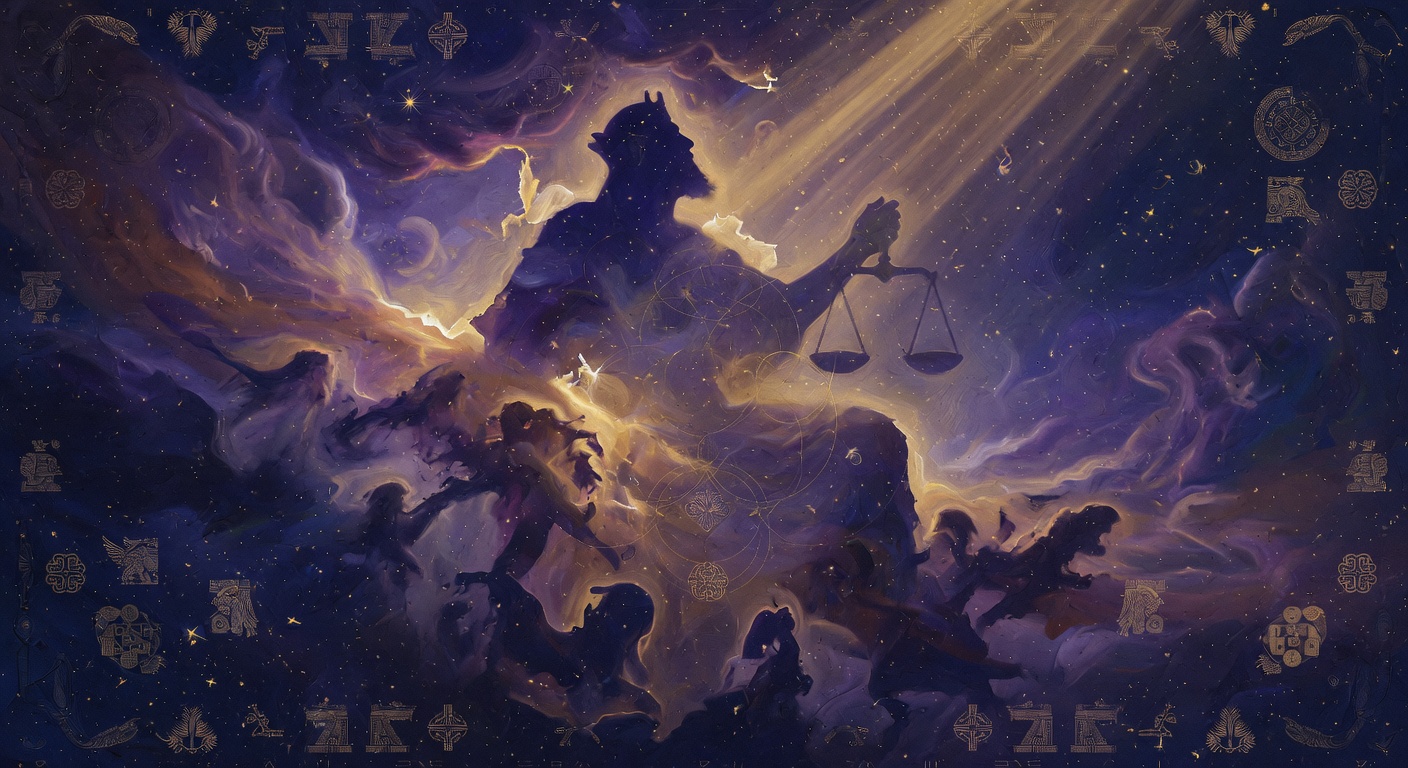
The Son of Man is the preexistent messianic figure in the Parables of Enoch who sits on the throne of glory to execute final judgment on behalf of the Lord of Spirits. Within the visionary landscapes of the ancient Enochic writings, a striking figure emerges as the agent of divine justice and redemption for a persecuted righteous community. This portrayal unfolds primarily in the Parables of Enoch, a section of 1 Enoch composed likely in the first century BCE, where the heavens reveal an eschatological drama of judgment upon oppressive kings and the exaltation of the faithful. The figure stands at the center of this cosmic reversal, embodying both the preexistent wisdom of God and the hope for vindication amid earthly suffering. Central to these visions is the figure's heavenly enthronement and preexistence. Described as chosen and hidden with the Lord of Spirits before the creation of the world, he is presented in 1 Enoch 48 as one whose name was invoked in the presence of the Ancient of Days from eternity. He occupies the throne of glory, a position that underscores his authority to execute judgment, as detailed in chapters 62 and 69. There the rulers of the earth witness his appearance with terror, recognizing too late the power they had denied, while the righteous are gathered to him as companions in eternal life. The figure's functions extend beyond judgment to active deliverance. In 1 Enoch 46 and 48 he is shown receiving the prayers of the oppressed and granting them wisdom, peace, and resurrection. This dual role of condemning the wicked and preserving the elect reflects the broader Enochian concern with theodicy, where divine order is ultimately restored through a mediator who bridges the heavenly and earthly realms. Later in the Parables, particularly chapter 71, the boundary between visionary and figure blurs, suggesting an intimate connection between the seer and the heavenly ideal. Within the wider Enochic tradition, including echoes in Jubilees and related apocalyptic texts, this portrayal enriches the understanding of messianic expectation as both transcendent and communal. It offers readers a lens into Second Temple Jewish thought, where hope for salvation rests not on earthly power but on alignment with the preexistent purposes of God.
Details
- Category
- Messianic / Apocalyptic
- Key Figures
- Son of Man, Enoch
- Passages
- 8 key references
Key Chapters
Key Passages
Vision of the Son of Man
The Book of Enoch 46:1-8
And there I saw One who had a head of days, And His head was white like wool, And with Him was another being whose count...
 1nd there I saw One who had a head of days, And His head was white like wool, And with Him was another being whose countenance had the appearance of a man, And his face was full of graciousness, like one of the holy angels.
The Son of Man sits on the throne
The Book of Enoch 62:1-16
And thus the Lord commanded the kings and the mighty and the exalted, and those who dwell on the earth, and said: ' Open...
1nd thus the Lord commanded the kings and the mighty and the exalted, and those who dwell on the earth, and said: ' Open your eyes and lift up your horns if ye are able to recognize the Elect One.'
Power and wisdom of the Elect One
The Book of Enoch 49:1-4
For wisdom is poured out like water, And glory faileth not before him for evermore....
 1or wisdom is poured out like water, And glory faileth not before him for evermore.
The Fount of Righteousness
The Book of Enoch 48:1-10
And in that place I saw the fountain of righteousness Which was inexhaustible: And around it were many fountains of wisd...
1nd in that place I saw the fountain of righteousness Which was inexhaustible: And around it were many fountains of wisdom: And all the thirsty drank of them, And were filled with wisdom, And their dwellings were with the righteous and holy and elect.
Prayer of the righteous for vengeance
The Book of Enoch 47:1-4
And in those days shall have ascended the prayer of the righteous, And the blood of the righteous from the earth before ...
1nd in those days shall have ascended the prayer of the righteous, And the blood of the righteous from the earth before the Lord of Spirits.
The glorification of the righteous
The Book of Enoch 50:1-5
And in those days a change shall take place for the holy and elect, And the light of days shall abide upon them, And glo...
1nd in those days a change shall take place for the holy and elect, And the light of days shall abide upon them, And glory and honour shall turn to the holy,
The lot of the apostates
The Book of Enoch 38:1-6
The First Parable. When the congregation of the righteous shall appear, And sinners shall be judged for their sins, And ...
 1he First Parable. When the congregation of the righteous shall appear, And sinners shall be judged for their sins, And shall be driven from the face of the earth:
Vision of Head of Days
The Book of Enoch 60:1-10
In the year 500, in the seventh month, on the fourteenth day of the month in the life of Enoch. In that Parable I saw ho...
 1n the year 500, in the seventh month, on the fourteenth day of the month in the life of Enoch. In that Parable I saw how a mighty quaking made the heaven of heavens to quake, and the host of the Most High, and the angels, a thousand thousands and ten thousand times ten thousand, were disquieted with a great disquiet.
Did You Know?
This is the richest pre-the Anointedian Jewish development of a messianic judge figure.
It combines royal, prophetic, and angelic traits.
He is named before the sun and stars were made - absolute preexistence before all creation.
He removes kings from their thrones personally - judgment is not abstract but confrontational.
The righteous find rest specifically 'with' the Son of Man - proximity, not mere approval.