Resurrection of the Dead
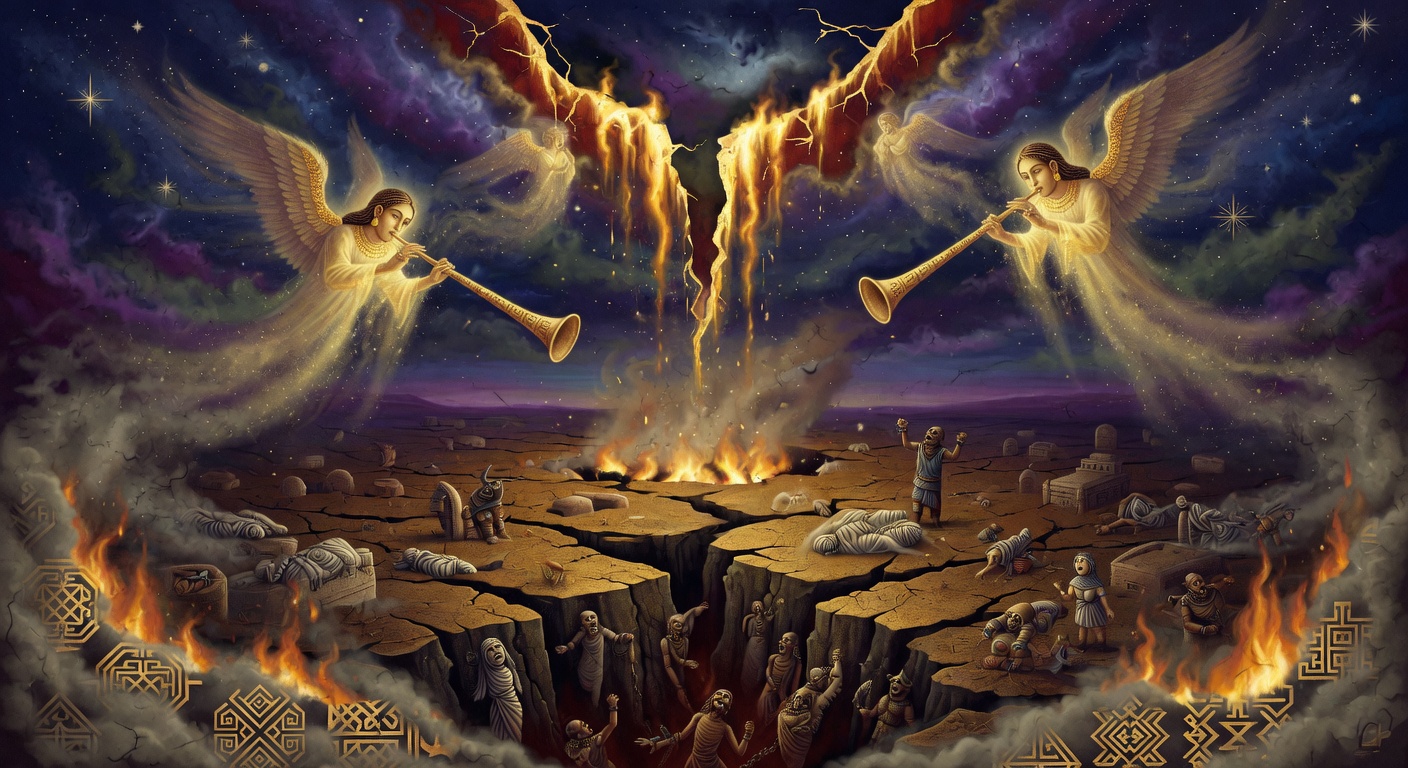
The Resurrection of the Dead is the prophecy that all who sleep in the earth will arise to face judgment - the righteous to eternal light and the wicked to eternal condemnation, ending the intermediate state of Sheol. 1 Enoch 22 describes the four compartments of Sheol where the dead currently wait, separated by moral category. Chapter 51 prophesies that Sheol will give back all it has received and the Elect One will choose among them. The Apocalypse of Weeks (1 Enoch 91:15-17) places the resurrection in the eighth week of history. This is one of the earliest developed resurrection doctrines in Jewish literature, predating and influencing later traditions. Within the interconnected tradition preserved across the Book of Enoch, the Book of Jubilees, and the Book of Jasher, this concept resonates with broader patterns of divine order, human response, and cosmic consequence. The pseudepigraphal sources provide perspectives and details absent from other ancient texts, offering readers a more complete understanding of how ancient communities understood the relationship between heavenly realities and earthly experience. These expanded accounts invite sustained reflection on the enduring significance of this tradition within the larger framework of Second Temple Jewish thought and its influence on later religious imagination.
Details
- Category
- Apocalyptic
- Status
- unfulfilled
The Prophecy
In those days shall the earth give back that which has been entrusted to it, and Sheol shall give back that which it has received, and hell shall give back that which it owes.
Source
The Book of Enoch 51:1-3
And in those days shall the earth also give back that which has been entrusted to it, And Sheol also shall give back tha...
 1nd in those days shall the earth also give back that which has been entrusted to it, And Sheol also shall give back that which it has received, And hell shall give back that which it owes. 5a. For in those days the Elect One shall arise,
Key Chapters
Did You Know?
1 Enoch 22 is one of the earliest Jewish texts to describe compartmentalized afterlife.
The righteous arise to light while the wicked arise to condemnation - universal resurrection.
Sheol is described as giving back deposits, like a bank returning what was entrusted.
The Apocalypse of Weeks places resurrection precisely in the eighth 'week' of history.
Abel's blood still crying out (1 Enoch 22) shows the dead retain awareness while waiting.