Rachel
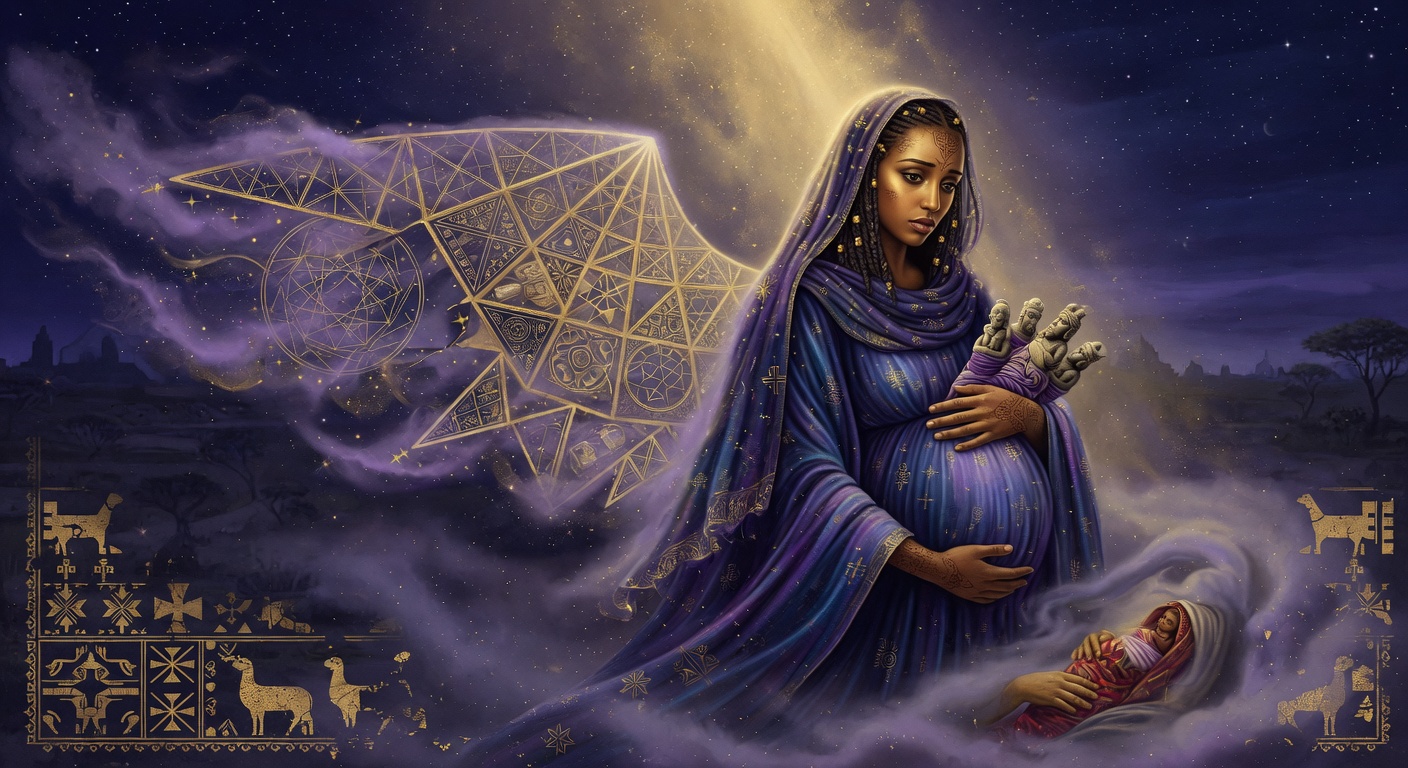
Within the expansive retellings of Israel's ancestral history preserved in the Book of Jubilees and the Book of Jasher, the figure of Jacob's favored wife emerges as a pivotal matriarch whose choices shape the destiny of the covenant line. These texts elaborate upon the Genesis account by embedding her story within a broader chronological framework that aligns patriarchal events with the cosmic and calendrical concerns prominent in the Enochic tradition. Jubilees in particular situates her marriage and progeny amid precise jubilee cycles, underscoring how personal trials among the forefathers reflect larger patterns of divine order and election that echo the heavenly revelations granted to Enoch. Her decisive act during the family's departure from Laban receives notable expansion in both Jubilees 31 and Jasher 31, where the theft of her father's household idols is portrayed not merely as subterfuge but as a deliberate severance from idolatrous practices. The narrative emphasizes her concealment of the teraphim beneath the camel saddle and her subsequent claim of ritual impurity to deter discovery, actions that these apocryphal works present as contributing to the purification of the emerging Israelite household. Such details reinforce themes of hidden knowledge and resistance to foreign spiritual influences that resonate with Enoch's own warnings against illicit teachings and corrupted traditions. The account of her death during Benjamin's birth, recorded with added emotional depth in Jasher 36 and referenced within Jubilees' genealogical summaries, carries lasting significance for the lineage. This moment marks a transition in Jacob's family structure and is framed as a poignant fulfillment of earlier prophetic elements surrounding the birth of Joseph. In the Enochic literary milieu, her story illustrates the interplay between human agency and predestined outcomes, reminding readers that the matriarchs participate in the same divine orchestration that governs the watchers, the flood, and the transmission of sacred wisdom through chosen lineages.
Biography
- Occupation
- Wife of Jacob
- Era
- Patriarchal
Key Chapters
Key Passages
Jacob Serves for Rachel
The Book of Jubilees 28:1-5
Jacob loves Rachel and serves Laban seven years for her. Laban gives Leah first, so Jacob serves another seven years.
 1nd he went on his journey, and came to the land of the east, to Laban, the brother of Rebecca, and he was with him, and served him for Rachel his daughter one week.
Rachel Steals the Idols
The Book of Jasher 31:1-5
When Jacob flees Laban, Rachel steals her father's household gods (teraphim) and sits on them to hide them during the search.
1nd in the seventh year, Jacob's service which he served Laban was completed, and Jacob said unto Laban, Give me my wife, for the days of my service are fulfilled; and Laban did so, and Laban and Jacob assembled all the people of that place and they made a feast.
Death of Rachel
The Book of Jubilees 32:1-5
Rachel dies in childbirth near Bethlehem while bearing Benjamin. Jacob sets up a pillar on her grave.
1nd he abode that night at Bethel, and Levi dreamed that they had ordained and made him the priest of the Most High God, him and his sons for ever; and he awoke from his sleep and blessed the Lord.
Did You Know?
Rachel was Jacob's beloved wife for whom he served fourteen years.
She stole her father's idols when fleeing and died giving birth to Benjamin.
In Jubilees 31 and Jasher 31 Rachel concealed the teraphim beneath her camel saddle and claimed ritual impurity to deter discovery.
Jubilees situates Rachel's marriage and progeny amid precise jubilee cycles reflecting larger patterns of divine order and election.
Rachel's actions with the teraphim reinforced themes of resistance to foreign spiritual influences resonant with Enoch's warnings against illicit teachings.