Mastema
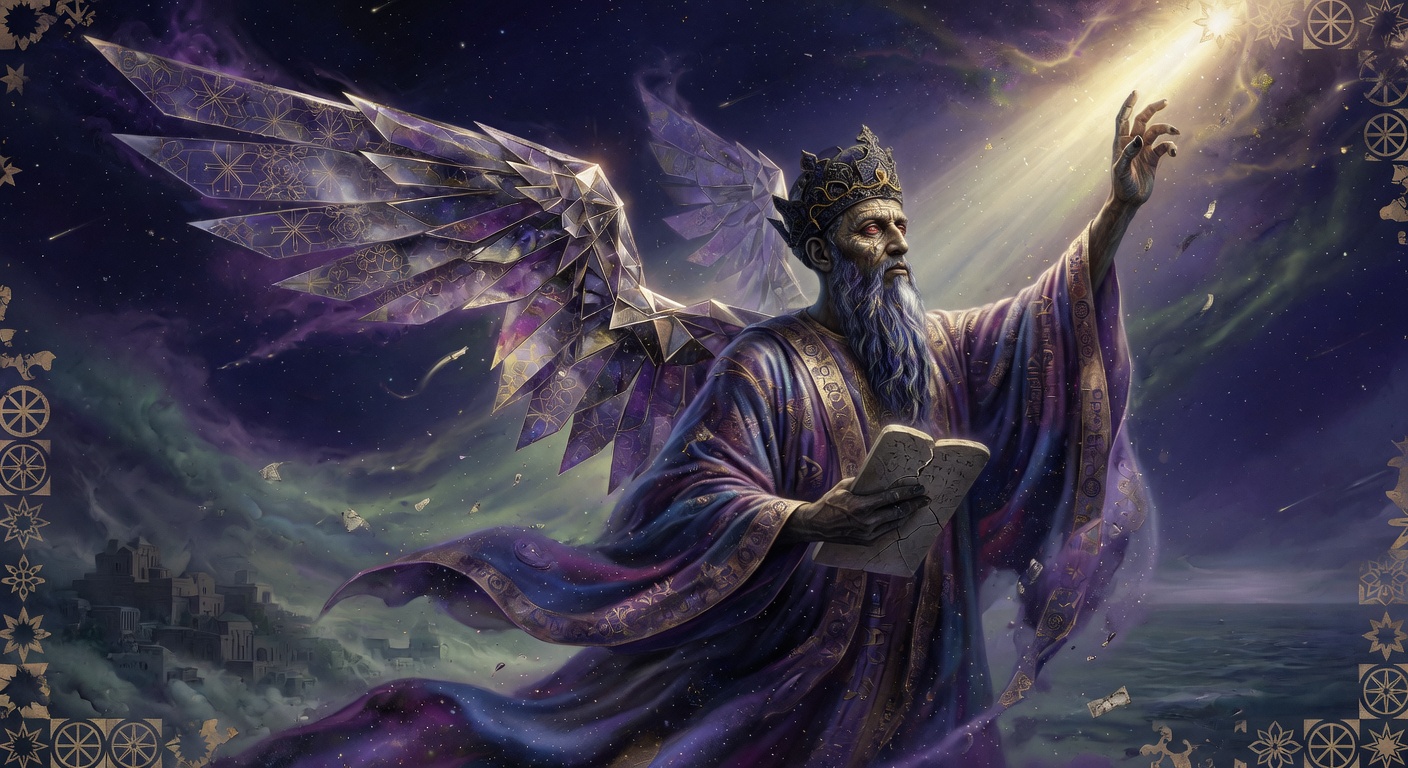
Mastema is the chief evil spirit in the Book of Jubilees - an accuser figure who receives limited authority from God to test and tempt humanity, operating behind Pharaoh's resistance during the Exodus. In the richly layered cosmology of Second Temple Jewish writings, a formidable adversarial figure arises to mediate between divine authority and the forces of chaos that afflict humanity. This being functions as the chief of evil spirits in the Book of Jubilees, petitioning God for permission to retain a portion of these spirits after the flood so they might continue accusing and tempting mortals. Far from an independent rebel, the figure operates within a strictly ordered cosmos where even malevolent powers must seek heavenly consent, underscoring the text’s emphasis on divine sovereignty amid ongoing spiritual conflict. The Book of Jubilees situates this activity at pivotal moments in primeval and patriarchal history. In chapter 10, the spirit requests and receives one-tenth of the evil spirits to “do all manner of wrong and sin, and all manner of transgression” among humans, establishing a structured system of affliction that echoes earlier traditions of fallen watchers found in 1 Enoch. Later, during the account of Abraham, the same figure initiates the test of the patriarch by urging the sacrifice of Isaac (Jubilees 17-18), thereby serving simultaneously as accuser and instrument of divine trial. These episodes illustrate how the spirit’s role bridges the antediluvian era of Noah with the covenantal age of the patriarchs, providing a narrative mechanism for explaining both moral testing and the persistence of evil after the flood. Within the broader Enochic and Jubilean tradition, this portrayal reflects a developing angelology in which evil is neither fully autonomous nor entirely outside God’s control. The figure’s appearances tie together motifs of spiritual warfare, covenantal fidelity, and eschatological judgment that run through 1 Enoch, Jubilees, and related texts. By dramatizing the tension between accusation and protection, the narrative invites readers to consider how ancient communities understood suffering, temptation, and divine providence as intertwined elements of sacred history.
Biography
- Occupation
- Prince of the Evil Spirits
- Era
- Antediluvian / Patriarchal
Key Chapters
Key Passages
Mastema and the Evil Spirits After the Flood
The Book of Jubilees 10:1
After the Flood, Mastema (the chief of the spirits) asks God for a tenth of the evil spirits to remain with him to tempt and lead astray the children of men; God grants his request but limits their power.
 1nd in the third week of this jubilee the unclean demons began to lead astray the children of the sons of Noah, and to make to err and destroy them.
Mastema Tests Abraham
The Book of Jubilees 17:1
Mastema comes before God and accuses Abraham of loving Isaac more than God; God permits the test of the binding of Isaac to prove Abraham's faithfulness.
1nd in the first year of the fifth week Isaac was weaned in this jubilee, 1982 A.M. and Abraham made a great banquet in the third month, on the day his son Isaac was weaned.
Mastema and the Plagues in Egypt (implied)
The Book of Jubilees 48:1
In Jubilees, Mastema is active in opposing Moses and Israel; he helps the Egyptian magicians and is ultimately bound during the exodus.
1nd in the sixth year of the third week of the forty-ninth jubilee thou didst depart and dwell in 2372 A.M. the land of Midian, five weeks and one year. And thou didst return into Egypt in the second week in the second year in the fiftieth jubilee.
Did You Know?
Mastema is the chief of the evil spirits who receives limited permission from God to tempt humanity.
He is the one who proposes the test of Abraham with Isaac.
After the flood Mastema petitions for and receives one-tenth of the evil spirits to drive humans into wrongdoing and sin.
Mastema operates behind Pharaohs resistance during the Exodus while exercising only limited authority granted for testing mortals.
His structured afflictions after Noah echo the fallen watchers of 1 Enoch and link antediluvian chaos to patriarchal trials.