Sarah
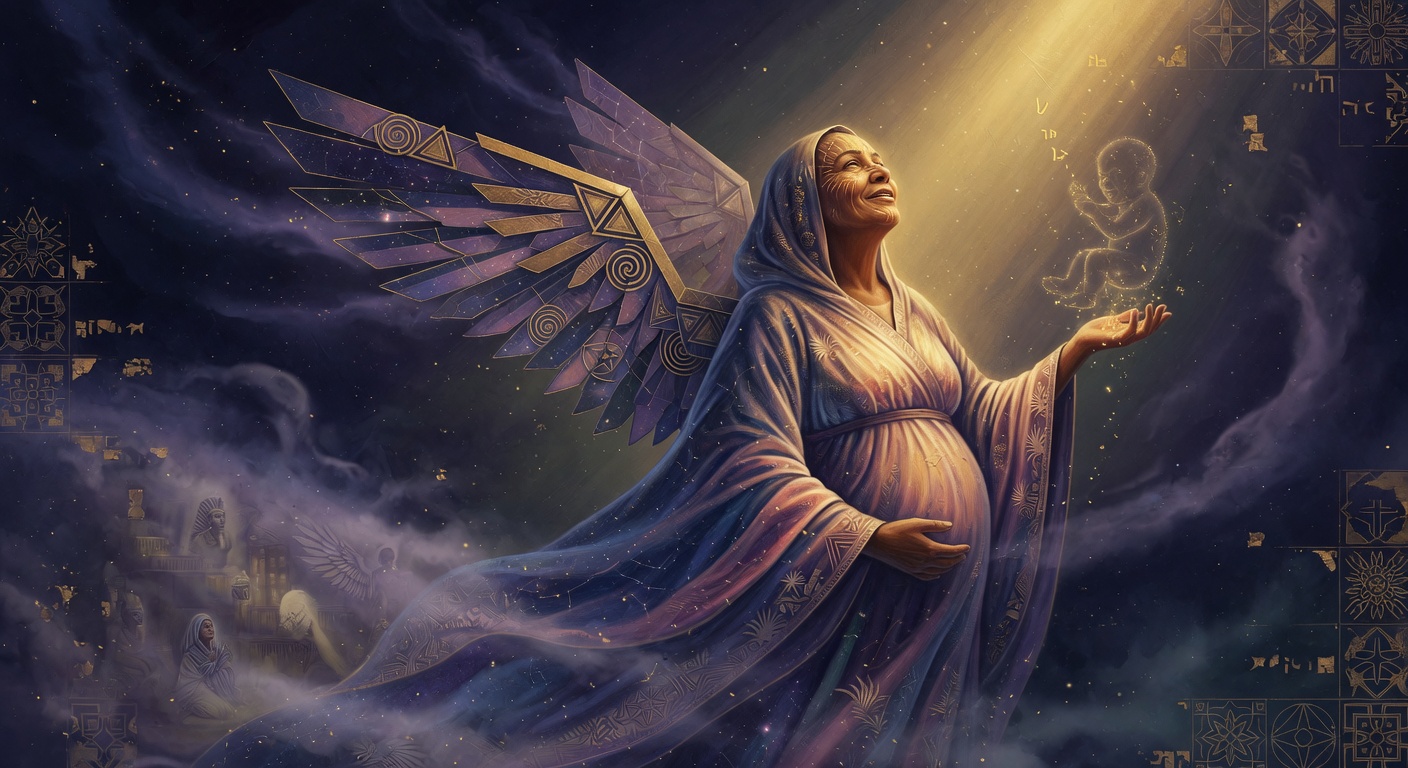
In the expanded patriarchal histories preserved within the Book of Jubilees and the Book of Jasher, the figure of Abraham's wife emerges as a central participant in the unfolding covenantal promises, her life marked by prolonged barrenness that underscores the miraculous nature of divine intervention. These texts elaborate considerably on the terse Genesis account, portraying her not merely as a passive spouse but as an active agent whose experiences test and affirm the boundaries of fidelity amid foreign powers. Jubilees situates her story within its meticulous chronological framework of jubilees and weeks, emphasizing how her trials align with sacred timekeeping and the preservation of lineage purity. Particular episodes receive notable elaboration, such as the sojourn in Egypt recounted in Jubilees 13, where her beauty prompts Abraham's stratagem and leads to temporary separation, only resolved through divine plagues upon Pharaoh's household. The Book of Jasher provides further dramatic detail to this encounter, extending the narrative tension around her concealment and restoration. Similar dynamics unfold in the account involving Abimelech, where Jubilees 20 highlights the king's eventual recognition of the divine protection surrounding her, reinforcing themes of election that echo across these apocryphal works. Such expansions serve to heighten the stakes of the promise that an heir would emerge despite advanced age, a fulfillment tied explicitly to the covenant renewal described in Jubilees 15 and 16. Within the broader Enochic tradition represented by these pseudepigraphal texts, her narrative contributes to larger concerns with angelic mediation, moral boundaries, and the transmission of sacred knowledge from the antediluvian era onward. Although 1 Enoch itself focuses primarily on the Watchers and cosmic visions, the interconnected pseudepigraphal corpus uses her story to illustrate how postdiluvian figures maintain ritual and ethical continuity amid threats of assimilation. The eventual birth of her son thus stands as a pivotal moment of divine faithfulness, anchoring the lineage through which later revelations would unfold.
Biography
- Occupation
- Wife of Abraham
- Era
- Patriarchal
Key Chapters
Key Passages
Sarah's Barrenness and Promise
The Book of Jubilees 16:1-4
Sarah is barren. God appears to Abraham and promises that Sarah will bear a son in the appointed time. She laughs in disbelief but later conceives Isaac.
 1nd on the new moon of the fourth month we appeared unto Abraham, at the oak of Mamre, and we talked with him, and we announced to him that a son would be given to him by Sarah his wife.
Sarah in Egypt and Gerar
The Book of Jasher 15:1-20
Abraham tells Sarah to say she is his sister. Pharaoh takes her but is plagued; Abimelech also takes her but is warned by God in a dream and restores her.
1nd in that year there was a heavy famine throughout the land of Canaan, and the inhabitants of the land could not remain on account of the famine for it was very grievous.
Sarah promised a son
The Book of Jasher 18:1-15
And Abraham rose and did all that God had ordered him, and he took the men of his household and those bought with his mo...
1nd Abraham rose and did all that God had ordered him, and he took the men of his household and those bought with his money, and he circumcised them as the Lord had commanded him.
Death of Sarah
The Book of Jubilees 19:1-9
And in the first year of the first week in the forty-second jubilee, Abraham returned and dwelt opposite Hebron, that is...
1nd in the first year of the first week in the forty-second jubilee, Abraham returned and dwelt opposite Hebron, that is Kirjath Arba, two weeks of years.
Abraham purchases burial cave
The Book of Jasher 24:1-15
And the life of Sarah was one hundred and twenty-seven years, and Sarah died; and Abraham rose up from before his dead t...
1nd the life of Sarah was one hundred and twenty-seven years, and Sarah died; and Abraham rose up from before his dead to seek a burial place to bury his wife Sarah; and he went and spoke to the children of Heth, the inhabitants of the land, saying,
Did You Know?
Sarah was barren until old age when God promised and delivered Isaac.
She was taken by Pharaoh and Abimelech but protected by God.
In Jubilees 13 Sarah's beauty prompts Abraham's stratagem during the Egyptian sojourn, resolved only by divine plagues on Pharaoh's household.
The Book of Jasher dramatically extends tension around Sarah's concealment and eventual restoration in the Egyptian encounter.
Jubilees places Sarah's trials in a chronological framework of jubilees and weeks emphasizing sacred timekeeping and lineage purity.